
Beyond Paper Logs: How GPS, NFC, and BLE Beacons Eliminate Patrol Blind Spots
Why paper sign-in sheets and legacy wand systems fail multi-site security agencies—and how real-time mobile guard tour verification protects client SLAs and reduces liability.
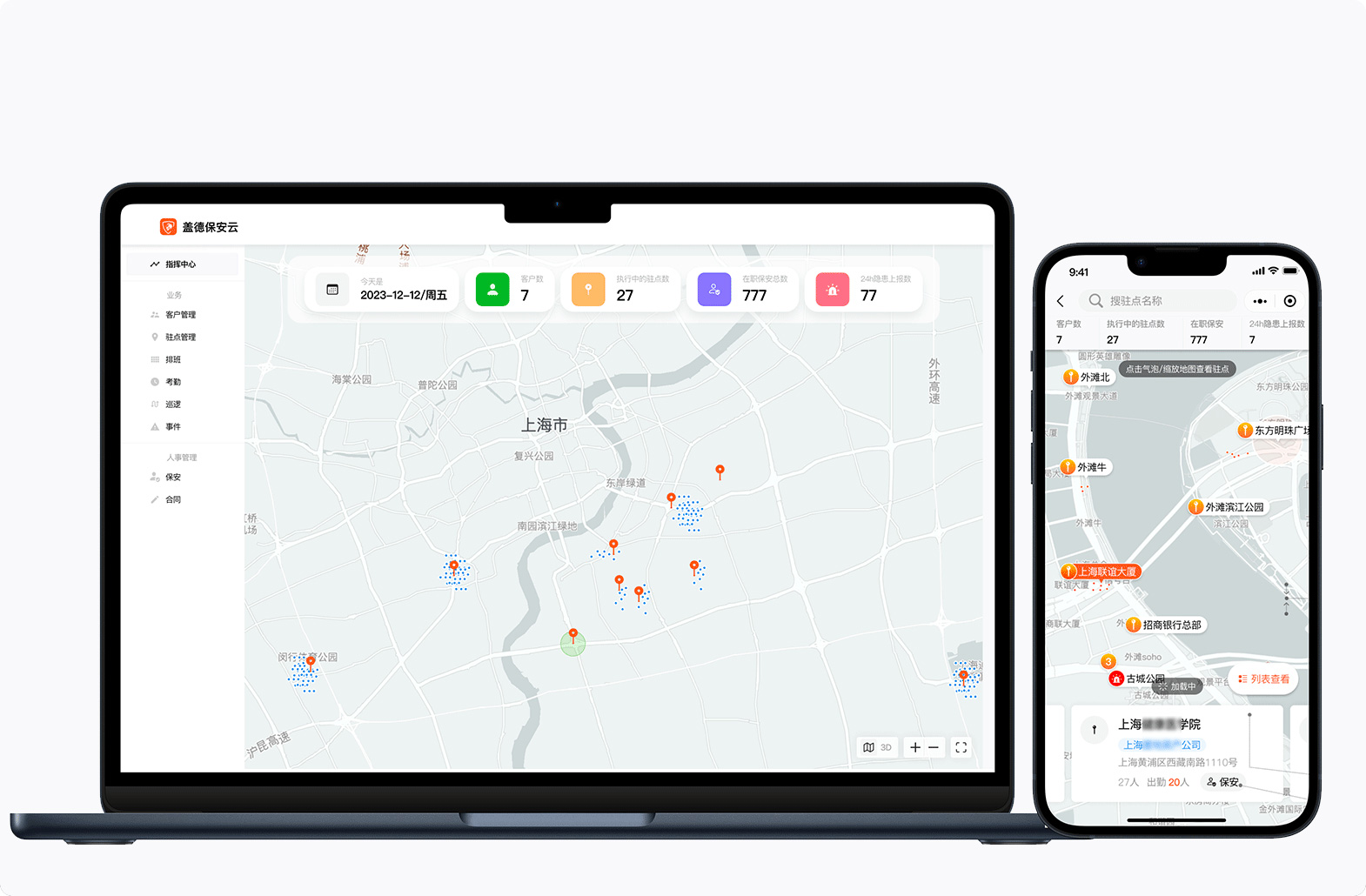
The Hidden Cost of Unverified Patrols
For private security agencies managing dozens of distributed client sites—industrial parks, shopping centers, hospitals, and corporate campuses—patrol verification is the single highest-stakes operational promise. Yet many agencies still rely on handwritten clipboards or disconnected hardware wands that only get downloaded at the end of the week.
When a security incident occurs at 2:15 AM and a client asks for proof that a guard walked the perimeter at 2:00 AM, delayed or missing patrol records put the entire contract at risk.
Three Layers of Modern Checkpoint Verification
Modern security workforce platforms like GuardsCloud combine three complementary verification technologies directly inside the guard's mobile app:
- GPS Geofencing & Route Breadcrumbs: Confirms outdoor perimeter patrols and tracks route adherence across large campuses without extra hardware.
- NFC & QR Checkpoints: Low-cost tags mounted at doors, server rooms, and loading docks require physical presence within centimeters to scan.
- Bluetooth Low Energy (BLE) Beacons: Ideal for underground garages, basements, and indoor stairwells where GPS signals drop.
Anti-Spoofing & Real-Time Exception Alerts
Verification only works if it cannot be gamed. GuardsCloud enforces:
- Mock-location detection to block GPS spoofing apps.
- Live camera-only photo capture (disabling gallery uploads) for hazard and incident evidence.
- Missed-checkpoint escalation: Supervisors and command center dispatchers receive an instant alert if a scheduled tour window closes without completion.
Turning Patrol Data into Client Retention
Instead of defending performance with anecdotes, operations managers can share automated daily or weekly patrol compliance reports—or grant clients direct read-only access to the Client Portal. Transparency turns security from a commodity cost into a measurable, trusted service.